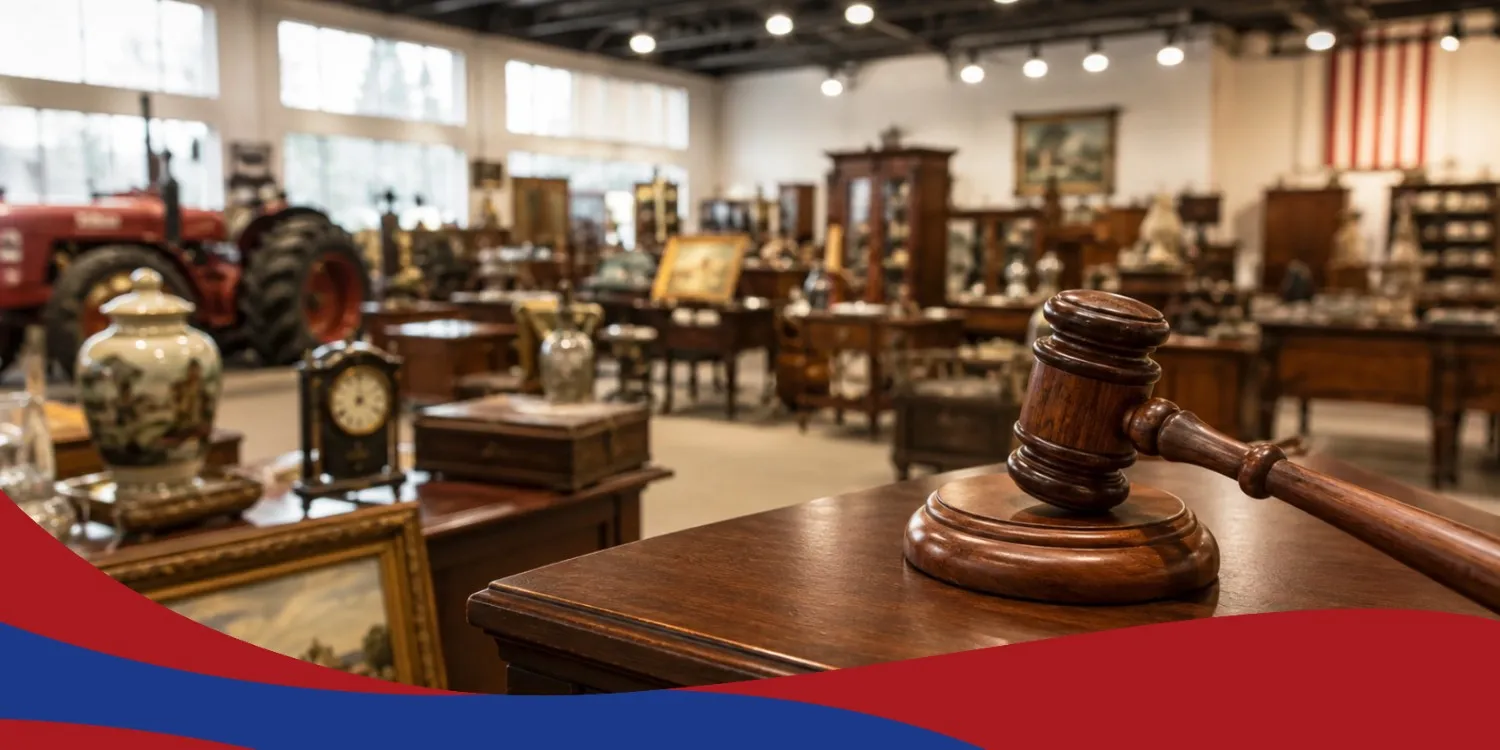
Losing a loved one is hard enough without the added weight of sorting through decades of belongings, legal paperwork, and hard decisions about what stays and what goes. An estate auction checklist Ohio families can actually follow makes this process feel manageable instead of overwhelming, turning a stressful chapter into a clear, guided path forward.
Whether you’re an executor settling a probate estate, an adult child downsizing a parent’s home, or a family simply trying to do right by someone’s legacy, knowing exactly what steps come next changes everything. This guide walks you through the entire estate auction process, covers the basics of estate auction, and explains how to prepare estate auction items so you can move forward with confidence.
Why an Estate Auction Checklist Matters
Executors juggle a dozen responsibilities at once: notifying beneficiaries, settling debts, filing court documents, and liquidating personal property. Without a plan, it’s easy to miss deadlines or undervalue items that carry real worth. A written checklist keeps every task visible, reduces family disagreements, and protects you legally by documenting how property was distributed or sold.
This is also where an estate sale checklist for executors differs slightly from a general estate liquidation plan. Executors often answer to a probate court, so timing, appraisals, and record-keeping carry extra weight. Understanding the basics of estate auction early in the process helps families avoid costly mistakes and make informed decisions.
How Estate Auctions Work
Understanding how estate auctions work is the first step toward feeling in control. If you’re unfamiliar with the basics of estate auction, the process generally follows a predictable sequence:
- Initial consultation and walkthrough – A licensed auctioneer visits the property to assess furniture, antiques, collectibles, vehicles, tools, and household goods.
- Appraisal and valuation – Items are researched and priced based on current market demand, condition, and rarity.
- Cataloging and photography – Every lot is documented, which is especially important for online estate auctions.
- Marketing the sale – Listings go out through auction platforms, email lists, and local advertising to attract serious bidders.
- Auction day (live or online) – Bidders compete for items, either in person or through a live estate auction livestream.
- Settlement and payout – Proceeds are collected, fees are deducted, and the family or estate receives the final accounting.
Many families ask how estate auctions work when items are part of a probate case specifically. In personal property auctions in probate, the auctioneer typically coordinates directly with the estate attorney or executor to ensure the sale complies with court requirements and that proceeds are properly documented for the final estate accounting.
Estate Auction Preparation Checklist
Knowing how to prepare estate auction items before the auctioneer arrives can make the entire process smoother and help maximize value. Use this estate auction preparation checklist as your roadmap:
- Locate essential documents: the will, death certificate, and any prior appraisals.
- Separate personal keepsakes family members want to keep from items intended for sale.
- Photograph the home before anything is moved, in case questions arise later.
- Identify high-value items such as jewelry, coins, artwork, and antiques for individual appraisal.
- Check for hidden valuables in drawers, closets, and storage boxes; families are often surprised what turns up.
- Confirm utilities stay on until the sale is complete so the auction team can work safely.
- Get multiple opinions before assuming something has no value; what looks like clutter can sometimes be a legitimate collectible.
These steps for an estate auction apply whether you’re preparing items for estate auction from a single downsizing move or clearing an entire multi-generational household. Learning how to prepare estate auction items properly also helps attract more competitive bidding and ensures nothing of value is overlooked.
Executor Responsibilities During an Estate Auction
If you’re managing the process on behalf of a family, your executor checklist after death should include coordinating with all beneficiaries before deciding what gets sold. Miscommunication here is one of the most common sources of family conflict during estate settlement.
Key executor responsibilities include:
- Getting formal approval from co-executors or beneficiaries before liquidation.
- Requesting a written agreement or contract from the auction company.
- Keeping copies of the sale catalog and final settlement report.
- Ensuring proceeds are deposited into the estate account, not personal accounts.
- Reporting sale results as part of the estate settlement checklist required by probate court.
An experienced estate auctioneer will walk you through this so nothing falls through the cracks, but the responsibility for approvals and documentation ultimately rests with the executor.
Estate Liquidation vs. Estate Sale vs. Estate Clearing House
These terms get used interchangeably, but they aren’t identical. An estate sale typically happens on-site over a weekend with fixed prices. Estate liquidation is broader, covering everything from auctions to bulk buyouts. An estate clearing house or estate clearing services company focuses on emptying the property entirely, including donating, disposing of, or recycling items that don’t sell.
Many families use a combination: an auction for valuable items, followed by clearing services for what remains, so the property is ready for sale or transfer. Following practical estate sale tips Ohio families rely on such as separating sentimental items early and organizing paperwork before the auction can make the entire process far less stressful.
Preparing for an Estate Auction in Ohio
Ohio has a strong local market for antiques, farm equipment, tools, and collectibles, which means estate auction Ohio sales often draw serious regional bidders. If you’re near Upper Sandusky estate auction services or anywhere in the surrounding counties, working with a licensed auctioneer familiar with Ohio estate settlement services ensures your sale meets state auction licensing requirements and reaches the right buyers.
Local expertise matters because pricing trends for antique appraisal services, household item auctions, and inherited property sales can vary significantly by region. What sells well in an urban market may perform differently in a rural farm community. Following local estate sale tips Ohio professionals recommend can also help families achieve stronger auction results while simplifying the estate settlement process.
Why Trust Us
Families choose Red Check Auctions because the team combines licensed auctioneer credentials with genuine transparency clear contracts, honest appraisals, and a full accounting of every sale. Years of experience with probate estate auctions, downsizing estate auctions, and full estate buyouts across Ohio mean your family gets guidance rooted in real market knowledge, not guesswork.
Frequently Asked Questions
How long does an estate auction typically take from start to finish?
Most estate auctions take two to six weeks total, covering the initial walkthrough, appraisal, cataloging, marketing period, and the final auction and settlement.
Do I need a lawyer before scheduling an estate auction?
Not always, but if the property is part of probate, it’s wise to confirm with the estate attorney that liquidation is approved before scheduling.
What items typically sell best at estate auctions?
Antiques, fine art, jewelry, coins, tools, vehicles, and quality furniture generally attract the strongest bidding activity and highest returns.
Can online estate auctions reach more buyers than a live event?
Yes, online estate auctions often expand your buyer pool beyond the local area, which can increase competition and final sale prices.
What happens to items that don’t sell at auction?
Unsold items are usually donated, consigned elsewhere, or handled through estate cleanout services so the property is fully cleared.
Ready to Move Forward?
Settling an estate is emotional work, but you don’t have to figure it out alone. A clear estate auction checklist, paired with an experienced local team, turns an overwhelming task into a manageable one. Whether you’re learning the basics of estate auction, researching how to prepare estate auction items, or looking for trusted estate sale tips Ohio families can rely on, Red Check Auctions is here to help.
If you’re preparing for an estate auction in Ohio, Red Check Auctions offers free consultations to help families and executors understand their options and get a fair, transparent valuation. Reach out today to schedule your walkthrough and take the first confident step toward settling the estate.