Ever wondered why the old cigar box full of coins in your grandfather’s closet could be worth more than the dining table everyone fought over? What sells at estate auctions rarely matches what families expect and that gap is exactly why so many valuable items end up donated, tossed, or sold for pennies at a garage sale instead of going under the gavel where they belong.
If you’re clearing out a loved one’s home, downsizing, or just curious about estate auction pricing, this guide breaks down the seven categories that consistently bring the strongest bids, plus the pricing logic, bidding psychology, and insider tips that separate a mediocre payout from a great one.
Why It’s Worth Knowing What Sells Best at Estate Auctions
Before you box things up for donation or a quick yard sale, it helps to understand estate auction valuable items and how buyers actually think. Auction buyers are motivated, informed, and competing against each other in real time which is exactly why auction bidding tips and category knowledge matter so much. A piece that looks unremarkable to you might be exactly what a collector across the country has been searching for.
Jewelry and Precious Metals
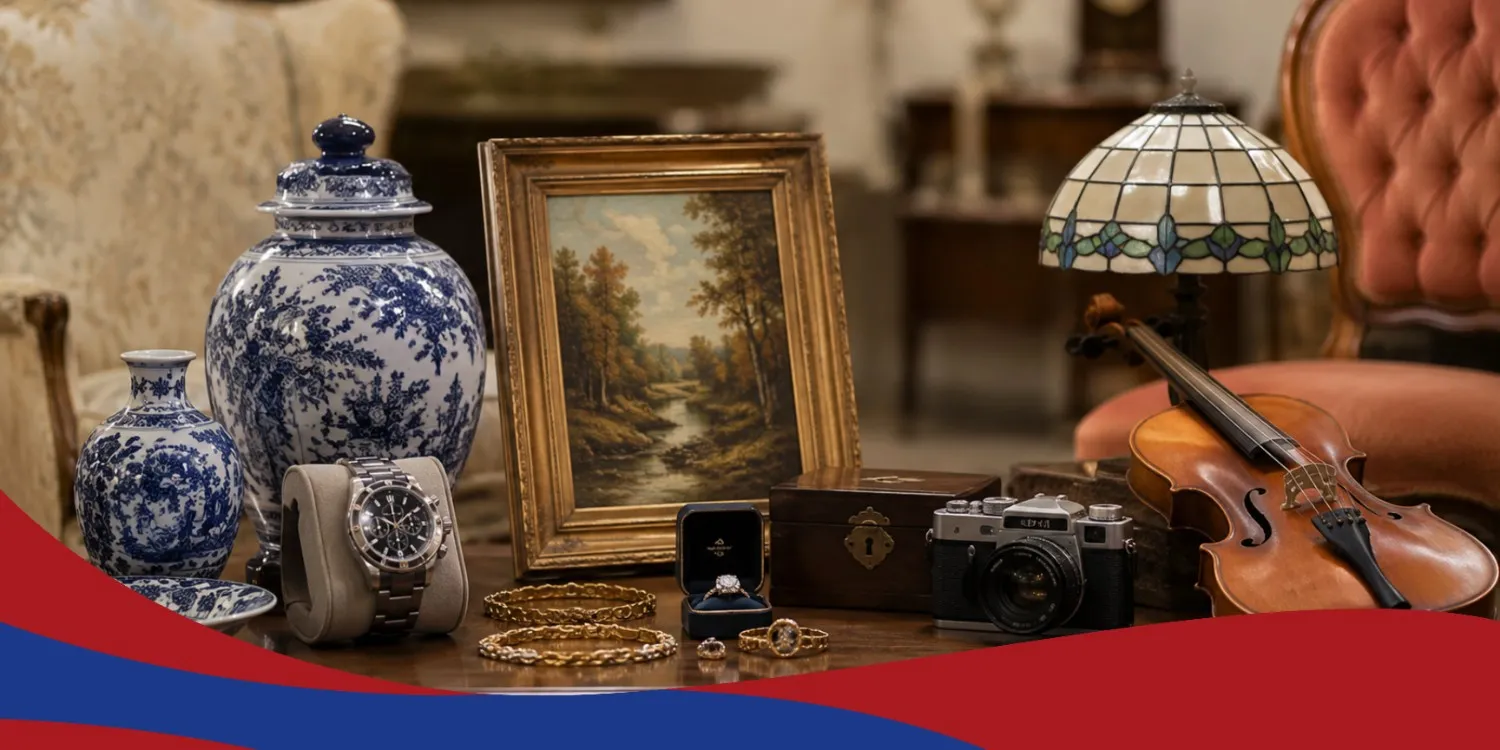
Coins and jewelry auctions almost always top the list of most valuable estate auction items. Gold, sterling silver, platinum, and gemstone pieces carry intrinsic melt value on top of design and craftsmanship value, so even damaged or outdated jewelry rarely goes for nothing. Vintage costume jewelry from recognized makers, wristwatches, and sterling flatware sets also draw strong interest from both collectors and everyday buyers looking for a deal.
Why it sells: dual demand from investors (metal value) and collectors (design value) creates a wide, competitive buyer pool.
Coins, Currency, and Precious Metal Collections
Separate from jewelry, coin collections deserve their own spotlight among estate auction collectibles. Silver dollars, gold coins, proof sets, and even old paper currency can carry significant numismatic premiums well above face or melt value. Because coin collectors are highly specialized and actively hunting for specific years, mint marks, and conditions, a well-cataloged coin collection can be one of the single highest-grossing lots in an entire estate.
Why it sells: rarity and grading create huge price spreads, and dedicated collector communities drive aggressive bidding.
Antiques and Fine Furniture
Not all furniture is created equal, but genuine antiques at estate auctions and quality furniture that sells at auction think solid wood dressers, mid-century modern pieces, and hand-carved antique tables routinely outperform newer mass-produced furniture. Buyers are drawn to craftsmanship, provenance, and design that simply isn’t made the same way anymore. If you’re wondering which antiques sell best at auction, look for signed pieces, unique joinery, and documented history, these details can multiply value significantly.
Why it sells: limited supply, superior materials, and design trends (mid-century modern especially) keep demand consistently high.
Firearms and Sporting Collectibles
Firearms at estate auctions are a category many families overlook or mishandle, often selling far below value through informal channels. Properly licensed and cataloged firearms, especially vintage, military, or collector models attract serious, motivated buyers willing to pay top dollar. Because firearm sales involve legal compliance and background checks, working with a professional estate auction services provider is essential to sell safely and legally while maximizing return.
Why it sells: a passionate collector base, limited availability of certain models, and legal complexity keep casual buyers out and serious bidders in.
Farm and Heavy Equipment
Farm equipment auction value can be surprisingly strong, especially for well-maintained tractors, tillers, mowers, and specialty attachments. Rural and small-acreage buyers actively monitor auctions for functional equipment that would otherwise cost thousands new. Even older equipment in working condition can command solid prices when demand outpaces used inventory in a region.
Why it sells: high replacement cost, practical everyday need, and a dedicated buyer base of farmers, landscapers, and hobby-acreage owners.
Fine Art, Decor, and Cultural Objects
Original artwork, sculpture, art glass, and culturally significant decorative pieces are frequently among the items that sell well at estate auctions even when the artist isn’t a household name. Visual appeal, size, and condition matter enormously here. A striking painting or a unique decorative piece can spark a bidding war between buyers simply furnishing a home versus serious collectors.
Why it sells: decor buyers and collectors overlap, widening the pool of interested bidders beyond just niche experts.
Small Collectibles: Trading Cards, Toys, and Memorabilia
Rounding out the high-value estate items list are smaller collectibles that sell at auction: sports cards, comic books, vintage toys, advertising signage, and pop culture memorabilia. These items are compact, easy to ship, and often tied to nostalgia, which fuels emotional (and competitive) bidding. Don’t assume something is “just clutter” a,shoebox of old cards or toys has surprised many families with its final hammer price.
Why it sells: nostalgia-driven demand plus active online collector communities create fast, competitive bidding on even modest items.
Estate Sale vs. Estate Auction: Which Gets You More?
A common question families ask is about estate sale vs estate auction and the difference matters for your bottom line. Estate sales use fixed pricing that typically drops over several days, while auctions let genuine competition between bidders determine real market value in real time. If your goal is to maximize value at an estate auction, the auction format almost always wins for higher-demand items like jewelry, coins, firearms, and antiques, since competitive bidding tends to push prices above a fixed asking price.
This is also why certain items that should be auctioned instead of donated collectibles, tools, vehicles, and anything with resale demand deserve a second look before they get boxed up for charity.
Estate Auction Tips for Getting the Best Results
- Get items appraised or reviewed before pricing anything yourself
- Photograph and describe items clearly presentation drives bids
- Don’t skip small items coins, jewelry, and collectibles are often underestimated
- Time your auction well seasonal demand affects final prices
- Consider online estate auctions to widen your buyer pool beyond your local area
- Work with a local estate auction company that understands regional demand and buyer behavior
Why Trust Us
Red Check Auctions has helped families across the region turn overwhelming estates into organized, well-marketed auctions that get real results. Our team combines local market knowledge with modern online bidding tools, giving every item from a coin collection to a full garage of tools the visibility it needs to find the right buyer at the right price.
Frequently Asked Questions
What doesn’t sell well at an estate sale?
Items with heavy wear, no functional use, or oversupplied categories like outdated electronics, particleboard furniture, and mass-produced décor tend to sell poorly compared to unique or collectible pieces.
What are red flags to watch for at estate sales?
Watch for unclear pricing, missing provenance on high-value items, poorly lit or disorganized displays, and sellers unwilling to answer condition questions honestly and directly.
What one spot should I check at an estate sale for the best finds?
Check the kitchen and bedroom drawers first, jewelry boxes, coin jars, and old watches often get overlooked because they’re tucked away out of sight.
What is the 3-minute rule in auctions?
It’s a bidding guideline suggesting you wait and observe a lot for about three minutes before bidding, letting early excitement settle so you can bid based on true value, not impulse.
How do I know if my items should go to an estate sale or auction?
High-demand categories like jewelry, coins, firearms, and antiques generally perform better at auction, while everyday household goods may move faster at a fixed-price estate sale.
Ready to Find Out What Your Estate Is Really Worth?
Every estate holds hidden value, the trick is knowing where to look and how to present it to the right buyers. If you’re ready to turn your items into their true market value, Red Check Auctions is here to help with professional appraisals, expert cataloging, and a proven bidding platform designed to get you the best possible outcome. Reach out today and let’s find out what your estate is really worth.
Reference https://www.usa.gov/auctions-and-sales